
The Stuck Drawer and the Secret to Ending After-Hours Charting
Feb 26, 2026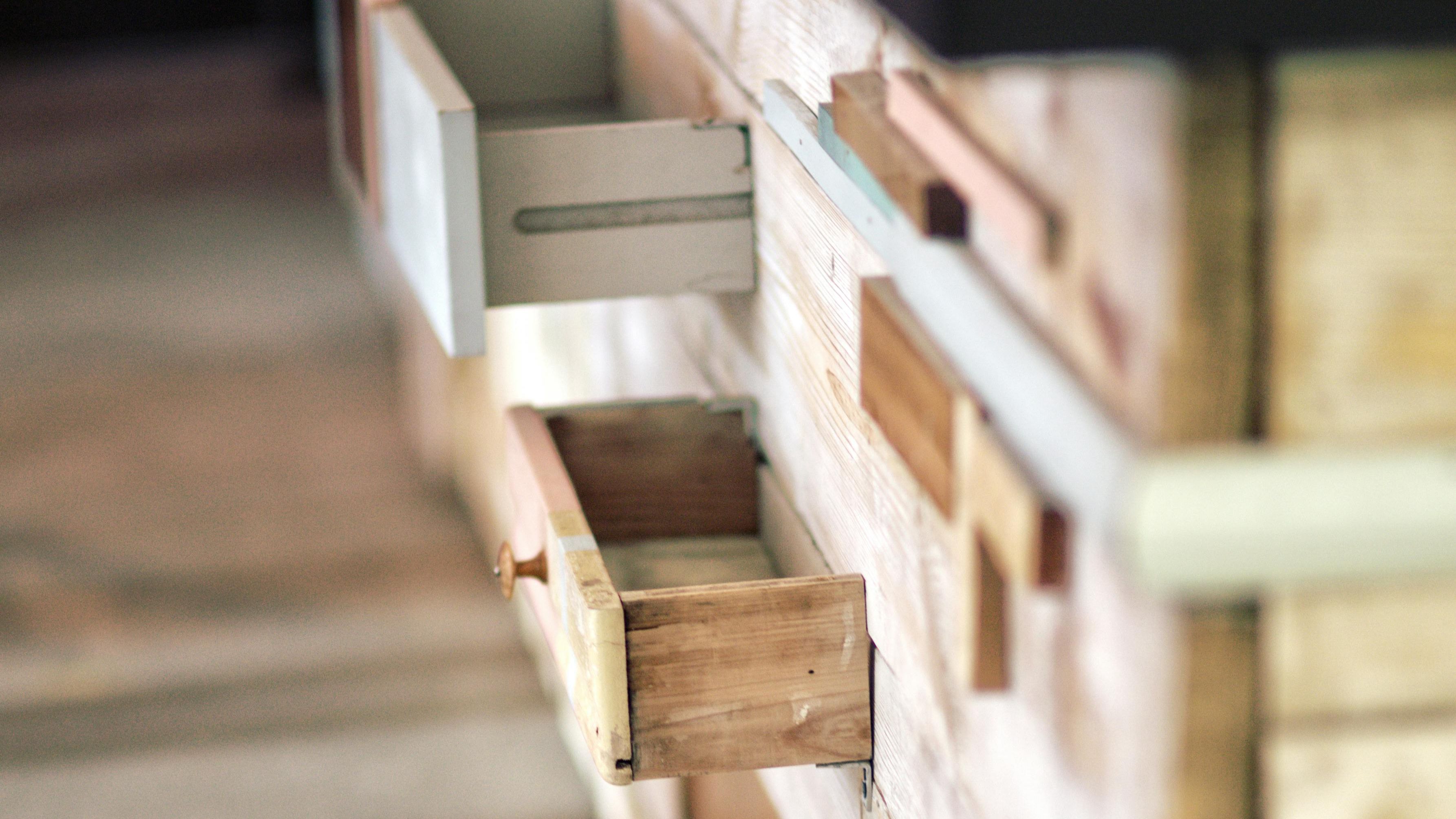
First day back to the clinic after the 2026 blizzard. As I was reviewing the patient charts, my colleague asked if I had something long for her to use. Her desk has three drawers, and a notebook fell to the bottom of that dresser frame, making it impossible for her to close the bottom drawer completely. The solution was simple – to remove that notebook. That was also the challenge. In order to remove that notebook, one would need to go through a fairly narrow slot between the middle drawer and the frame. Even though I have small wrists, they were too big to pass through that opening. For some reason, the movable drawers were not detachable – maybe they were, we just could not figure out how to. A long ruler or a stick would be a great tool. She asked the staff – no sticks, no rulers but a pair of scissors. She tried – no go. The scissors were thin but not long enough to even remotely reach the notebook. Then I looked at the drawers carefully – they were part of a dresser, not attached to her desk. So we rolled the independent dresser out. I thought, maybe we could angle the whole dresser forward and shake the notebook toward the front. We angled it but not strong enough to make an impact on the location of that notebook. At that point, I was thinking to myself that I would probably find something in the office that I could use. So I started walking down the hall of exam rooms. I looked inside the first exam room – a scale, for both the weight and the height. I wondered if I could detach the height rod – that would be the perfect tool to use! I walked toward the scale, pulled that graduated rod up and up. Then it just came off, separated from the rest of the scale. Feeling excited, I almost sprinted back to the documentation room where the dresser was. My colleague opened the drawer, and I placed the rod between the slits. It fit! I was able to reach the fallen notebook and move it forward, enough for her to reach by hand and pick it up. Success!
The feeling was triumphant. Not only because I helped my colleague, but because I was able to MacGyver it.
This is life. When you know what you want, believe that you can figure it out and do it. If you are a physician who is spending your evening hours to finish your clinical work, and you want to finish your work on time, believe that you can do it. There is always a way – you just have not figured it out…yet. When you believe that there is another way, you are telling yourself that you are not settling for the status quo. You are not accepting “it is what it is”. You are not believing “things will not change”. When you allow yourself to think that it is possible and that you will find a way, your brain shifts to being curious and looking for possibilities. You are more willing to explore new things. The more you seek, the more you find.
You are training yourself to be calm when limited resources are available. Whatever your situation is, you will make things work. This practice helps you spend less time arguing with the situation – something you cannot change. What you can control is how to approach it.
This is clinical life too. If you are spending extra hours to finish your work, explore what you can do to change that. Brainstorm ideas – many of them may not work for you, and some may be possible solutions. Become an expert in trying new things. Open your mind to possibilities and think differently. It is not embarrassing or shameful to ask for help when you need it. The more you do this, the closer you are creating a life you enjoy living.
Are you ready to stop feeling stressed and overwhelmed? Are you ready to have more time to do what you want?
